
Porcelain Fillings in Howard Beach, NY
Porcelain restorations can repair teeth affected by decay, cracks, wear, or older restorations while blending more naturally with the surrounding smile. At DPI Dental, treatment may include a porcelain inlay, onlay, or another tooth-colored restorative option depending on how much tooth structure needs to be repaired.
What Are Porcelain Fillings?
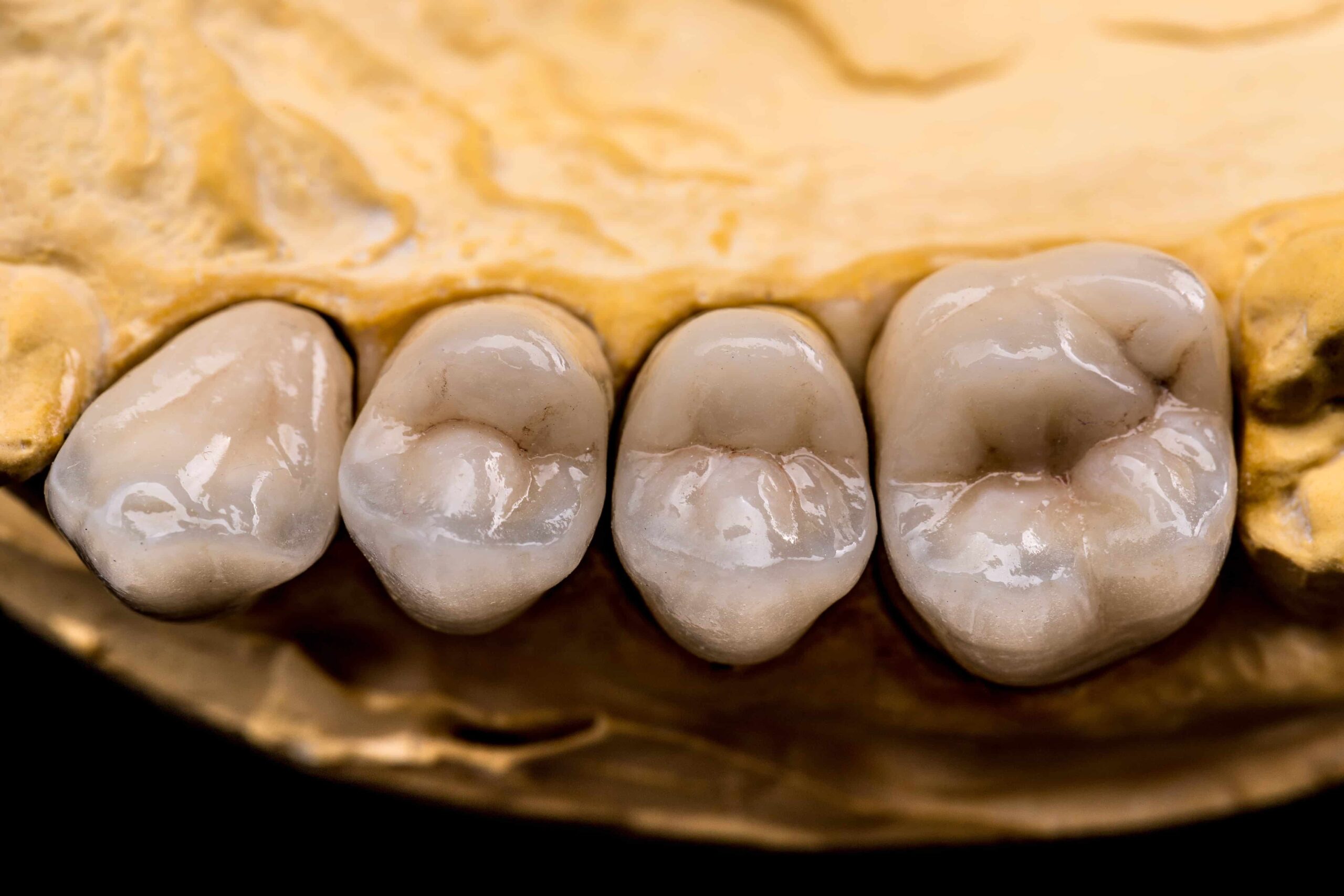
The term “porcelain filling” is often used to describe tooth-colored ceramic restorations that repair damaged portions of a tooth. Depending on the size and location of the area being restored, this may involve a porcelain inlay or onlay rather than a direct filling placed inside the tooth.
Porcelain restorations may be considered for selected cavities, cracked or worn tooth structure, or replacement of certain older restorations when a tooth-colored result is desired.
- Repairs selected areas of damaged tooth structure
- Can be matched to surrounding tooth color
- May be used as an inlay or onlay
- May replace selected older restorations
- Designed around the tooth and bite
- Requires evaluation of remaining tooth structure
Benefits of Porcelain Fillings in Howard Beach, NY
Porcelain may be selected when a tooth needs a durable, tooth-colored restoration and the clinical situation supports an indirect inlay or onlay.
Porcelain vs. Composite Fillings and Dental Crowns
These restorations are not interchangeable in every situation. The amount of damage, location of the tooth, bite forces, appearance, and remaining healthy tooth structure all influence the recommendation.
Porcelain Inlay or Onlay
An indirect porcelain restoration may be used when a tooth needs more coverage or strength than a small direct filling but does not necessarily require a full crown.
Ask About Porcelain Restorations →Composite Filling
Tooth-colored composite is placed directly into the prepared tooth and may be appropriate for smaller or differently positioned areas of decay or damage.
Discuss Filling Options →Dental Crown
A crown covers most or all of the visible portion of a tooth and may be recommended when the tooth needs broader structural protection.
Explore Dental Crowns →
When Porcelain May Be Recommended
Porcelain may be considered when a tooth has enough healthy structure to support an inlay or onlay and when the size or location of the damaged area makes that type of restoration appropriate.
If an older metal or composite restoration is failing, damaged, or no longer appropriate, the tooth can be evaluated to determine whether replacement with porcelain makes sense. Replacement is not recommended solely because a filling is metal or older.
What to Expect From a Porcelain Filling Procedure
The exact sequence depends on the tooth and type of restoration, but treatment generally includes evaluation, preparation, design, placement, and final bite checks.
Exam and Imaging
We evaluate the tooth, surrounding structures, existing restoration, and bite to determine whether a porcelain restoration is appropriate.
Treatment Recommendation
We explain whether a direct filling, porcelain inlay or onlay, crown, or another restorative option better fits the tooth.
Tooth Preparation
Damaged or decayed tooth structure and any restoration that needs replacement are removed before the tooth is prepared for the new restoration.
Custom Restoration
The porcelain restoration is designed around the prepared tooth, contact points, bite, and appearance.
Bonding and Final Checks
The restoration is bonded in place and checked for fit, contacts, bite, comfort, and appearance before treatment is completed.
How to Care for a Porcelain Filling
Porcelain restorations do not require a special daily routine, but the tooth and surrounding gums still need consistent care.
Porcelain Restorations in Howard Beach, NY
Dr. Paul Ilan has more than 20 years of dental experience and provides restorative treatment planning with attention to both function and appearance.
Porcelain Filling FAQs for Patients in Howard Beach, NY
Common questions about porcelain vs. composite, replacement of metal fillings, care, referrals, and insurance.
Are Porcelain Fillings Stronger Than Composite Fillings?+
Can I Replace My Metal Fillings With Porcelain Ones?+
Do Porcelain Fillings Require Special Care?+
Do I Need a Referral to Get a Porcelain Filling?+
Do I Need Insurance to Get a Tooth-Colored Porcelain Restoration?+
Porcelain Fillings in Howard Beach, NY
Learn more about DPI Dental's Howard Beach office before requesting your restorative dental appointment.
Restore Your Tooth With a Natural-Looking Option
If you have decay, a cracked tooth, or an older restoration that may need replacement, schedule an evaluation at DPI Dental in Howard Beach, NY. We can determine whether a porcelain inlay, onlay, composite filling, crown, or another restorative option is appropriate.
Request an Appointment
Complete the form below to request your restorative dental consultation with DPI Dental.