
Dental Implants in East Village, NY
Missing teeth can affect the way you chew, speak, smile, and feel in everyday situations. DPI Dental provides dental implant evaluations and personalized tooth-replacement planning for patients in East Village, NY, from single-tooth replacement to implant-supported and full-arch solutions.
What Are Dental Implants?
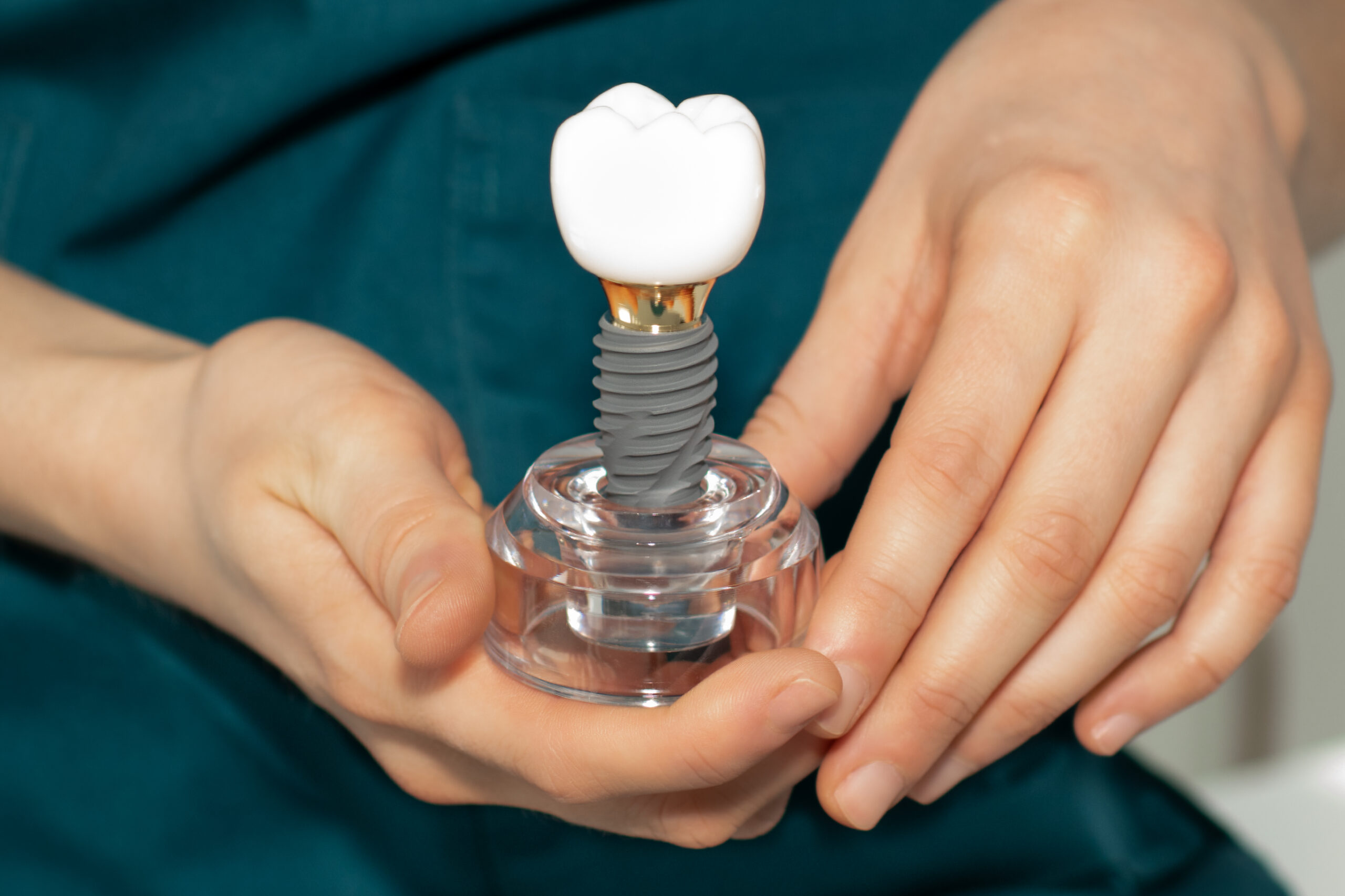
A dental implant is a small post placed into the jawbone to support a dental restoration. After the implant has integrated with the surrounding bone, it can support a crown, bridge, or denture depending on how many teeth need to be replaced.
A complete implant restoration may include the implant post, an abutment that connects the implant to the restoration, and the final crown, bridge, or denture.
- Replaces the root portion of a missing tooth
- Can support a crown, bridge, or denture
- Anchored in the jaw rather than removable
- May help maintain bone in the treated area
- Can replace one tooth or multiple teeth
- Requires individualized treatment planning
Why Tooth Replacement Matters in East Village, NY
Missing teeth can affect more than appearance. The surrounding teeth, bite, chewing function, bone, and confidence may all change over time.
Who May Be a Candidate for Dental Implants in East Village, NY?
Many adults with missing teeth may be candidates for implant treatment, but the right plan depends on oral health, available bone, health history, and the type of restoration being considered.
Some patients may be ready to move forward after the evaluation. Others may need gum treatment, extraction, bone grafting, or another preparatory step first.
Types of Dental Implants in East Village, NY
Implant treatment can be adapted to different levels of tooth loss. The appropriate design depends on the missing teeth, bone support, bite, and final restoration.
Single-Tooth Implant
A single implant can support an individual crown when one tooth is missing and the surrounding conditions are appropriate.
Ask About Single-Tooth Implants →Multiple Dental Implants
Multiple implants may support individual crowns or an implant-supported bridge when several teeth are missing.
Ask About Multiple Implants →Full-Mouth Implant Treatment
Patients missing most or all teeth may be evaluated for an upper arch, lower arch, or full-mouth implant-supported restoration.
Discuss Full-Mouth Options →Implant-Supported Dentures
Implants may be used to improve denture retention and reduce movement for patients who struggle with loose removable dentures.
Compare Denture Options →Same-Day Implant Placement
Immediate or same-day implant placement may be possible in selected cases when bone, gums, bite, and implant stability are suitable.
Ask About Same-Day Implants →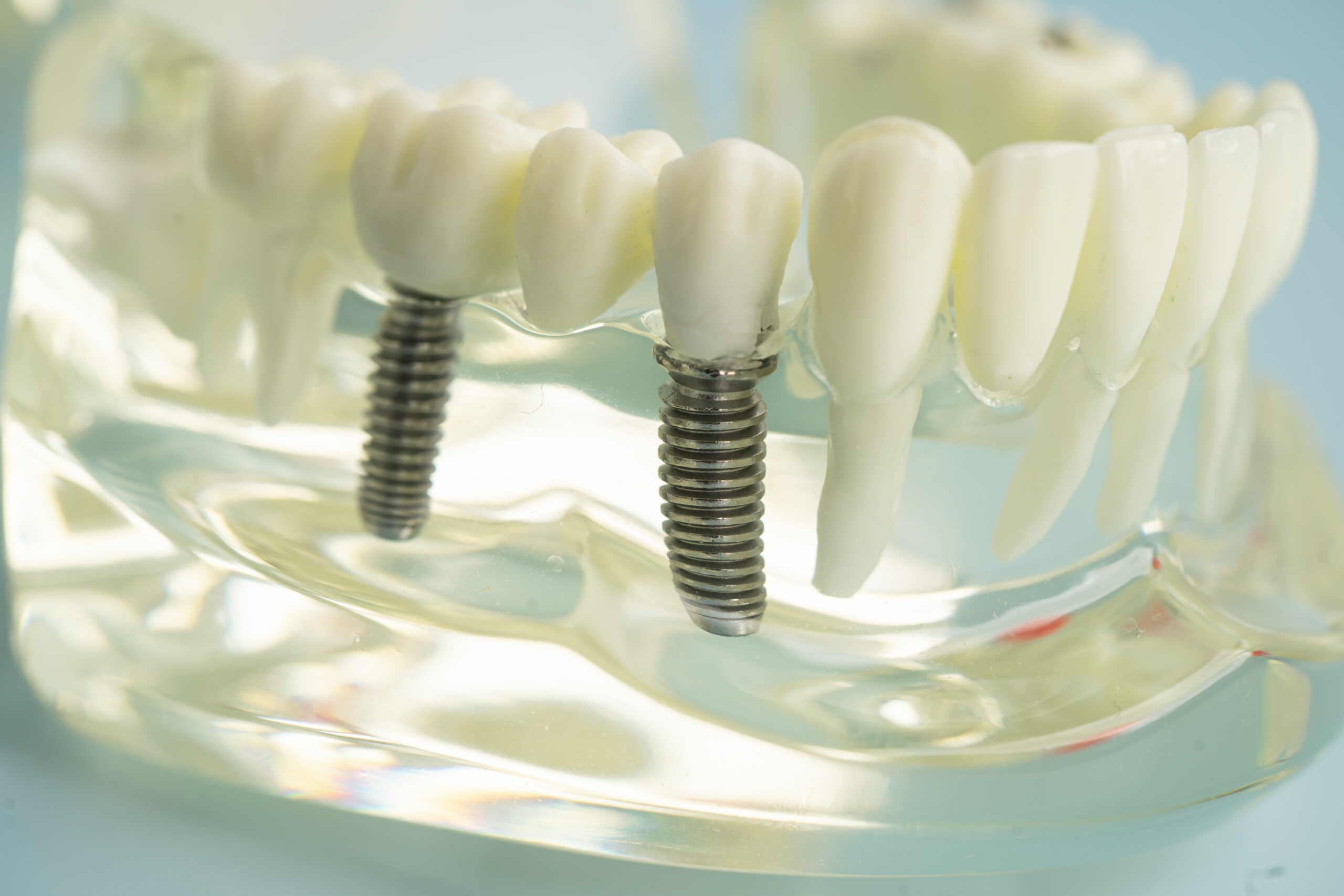
Dental Implants Replace More Than the Visible Tooth
Unlike a removable appliance, an implant is placed into the jawbone and acts as a foundation for the final restoration. The visible crown, bridge, or denture is then connected to the implant system.
This is why implant planning considers both the appearance of the final tooth and the supporting bone, gums, bite, and restorative space underneath it.
What to Expect From Dental Implant Treatment
Implant treatment becomes easier to understand when it is broken into clear stages. Your exact sequence and healing time will depend on the individual case.
Consultation and Evaluation
We review the missing-tooth area, gums, bite, available bone, health history, and restorative goals. Imaging may be part of this evaluation.
Treatment Planning
The plan may involve a single implant, several implants, or a full-arch solution. Some patients may also need extraction or grafting first.
Implant Placement
The implant post is placed into the jawbone according to the treatment plan.
Healing and Integration
The implant needs time to heal and integrate with the surrounding bone before the final restoration is completed in many cases.
Final Restoration
Once the implant is ready for restoration, the final crown, bridge, or denture is placed and checked for fit, bite, and appearance.
Comfort, Longevity, and Expectations
Do Dental Implants Hurt?
Comfort and recovery vary by patient and by the number of implants, whether extractions or grafting are needed, and individual healing. Some soreness after placement is expected, and your dentist will explain what to expect and how to manage recovery.
How Long Can Dental Implants Last?
Implants are designed for long-term use, but longevity varies. Oral hygiene, gum health, bite forces, grinding habits, regular dental care, and overall health all influence long-term success. The restoration attached to the implant may need maintenance or replacement over time.
What if the Tooth Has Been Missing for a Long Time?
Treatment may still be possible even when a tooth has been missing for years. Bone changes can affect the plan, and some patients may need grafting or another preparatory step before implant placement.
Dental Implant Care in East Village, NY
Implant treatment usually involves planning, placement, healing, restoration, and follow-up. Working with a dental office that is convenient to your daily life can make it easier to stay on track with those visits.
Dental Implant FAQs for Patients in East Village, NY
Common questions about implant basics, candidacy, single-tooth replacement, dentures, same-day treatment, and longevity.
What Are Dental Implants?+
Will Dental Implants Work for Me?+
If I Only Need One Tooth Replaced, Can I Get One Implant?+
What Is the Difference Between Dental Implants and Dentures?+
Can Dental Implants Be Placed on the Same Day?+
How Long Do Dental Implants Stay in Place?+
Dental Implants in East Village, NY
Learn more about DPI Dental's East Village office before requesting your implant consultation.
Find Out if Dental Implants Are Right for You
You do not need to know which implant treatment you need before your first visit. Schedule an evaluation at DPI Dental in East Village, NY, and we can review your missing teeth, bone support, gums, bite, and restorative goals before discussing the next step.
Request an Appointment
Complete the form below to request your dental implant consultation with DPI Dental.