
Let’s be honest, most people want straighter teeth, but very few people wake up excited about the idea of metal brackets, wires, and food getting stuck in places food should never be.
This is part of the reason Invisalign has become such a popular choice for patients seeking a more discreet, comfortable way to improve their smile.
At DPI Dental, we help patients in East Village, Manhattan, and the surrounding neighborhoods of NYC determine if Invisalign treatment is the right choice for their smile goals.
Looking for Invisalign East Village, clear aligners East Village, or an Invisalign dentist East Village? We’re here to make the process simple, clear, and personal.
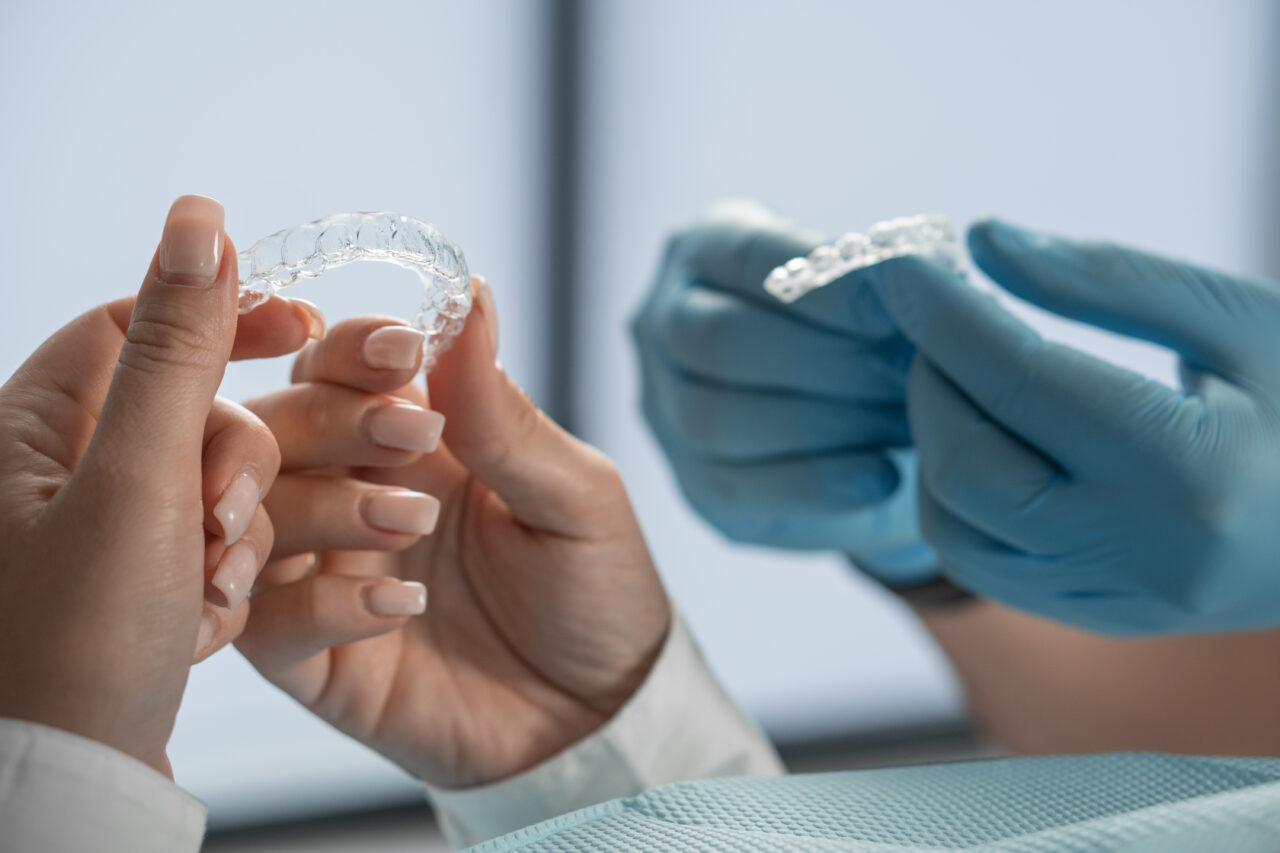
Invisalign is an orthodontic procedure that uses a series of transparent, removable aligners to slowly move your teeth into the correct position. Instead of traditional wires and brackets, Invisalign aligners are clear, smooth plastic trays that are custom-made to fit over your teeth.
Many patients opt for Invisalign because the aligners are:
- Clear. Discreet.
- Removable for eating and brushing teeth
- Soft and comfy
- Created for your smile
- More convenient than traditional braces for daily living
If you’ve been thinking about teeth straightening in East Village, Invisalign could be a great option if you want results without the look and feel of traditional braces.
Why East Village Patients Prefer Clear Aligners
East Village is lively, social, creative, and constantly in motion. Whether you’re heading to work, class, dinner, a gallery opening, or just a cup of coffee on your way down the block, your smile is part of your everyday confidence.
Many patients want straighter teeth, but don’t want treatment to interfere with their lifestyle. Invisible braces East Village, like Invisalign and clear braces East Village NYC, can help right there.
With Invisalign, you can eat your regular meals, brush and floss normally, and smile for the camera without worrying about metal braces.
Is Invisalign For You?
A few of the more common alignment issues that Invisalign can help with include:
- Packed teeth
- Spaces between teeth
- Little crooked teeth
- Overbite Underbite Crossbite
- openbite
- Teeth that have shifted since the last braces
The best way to find out if you are a candidate is to schedule an Invisalign consultation in East Village. At DPI Dental, we assess your teeth, bite, smile goals, and overall oral health before we recommend treatment.
Patient Concerns About Invisalign Are Typical
“Will anyone notice I’m wearing aligners?
Most people will only notice if you are very close to them or already know you are wearing them. Invisalign clear aligners are low-profile and clear, which is why they’re so popular with professionals, adults, students, and anyone seeking a more discreet treatment option.
Will Invisalign hurt?
It is common to feel some pressure when you change to a new set of aligners. If you feel pressure, your teeth are moving. Most patients describe it as mild discomfort rather than pain, and it usually fades after a short adjustment period.
“Do I need to change my diet?”
No. Invisalign aligners are removable, so you take them out before eating. And you don’t have the same food restrictions as with traditional braces. All you simply need to do to keep your teeth and trays clean is to brush your teeth before putting your aligners back in.
“How long does it take for Invisalign?”
Treatment time is dependent on your case. Some milder cases may resolve more quickly, while more complex alignment problems may take longer. We can give you a more realistic idea of what to expect during your consultation.
“What if I forget to put them on?”
The success of Invisalign relies on you wearing your aligners as directed. If aligners are skipped too often, treatment may take longer, or results may be affected. We prepare you to understand the routine before you start, so you are ready.
What You Can Expect From Your Invisalign Treatment at DPI Dental
We like to keep things transparent and comfortable from the get-go.
Your Invisalign Consultation
Your visit starts with a conversation. What are you trying to improve on, what concerns you, what result are you hoping for? Next, we look at your teeth and your bite to see if Invisalign is right for you.
Personalize Your Treatment Plan
If Invisalign is right for you, we create a treatment plan customized to your smile. Your aligners are specially made to gradually shift your teeth into the right position.
How to Wear Your Aligners
Each series of aligners will be worn as directed, and you'll move on to the next set as your teeth adjust. The best results are achieved when the aligners are worn consistently.
Progress Review
We track your progress throughout treatment to ensure your teeth are moving properly and your aligners are fitting as expected.
Retainers After Treatment
After Invisalign, retainers keep your results. It's important to retain your teeth because they can shift over time, and you could lose your straight smile.
Braces vs. Invisalign
Invisalign and traditional braces can both straighten teeth, but they feel very different in your day-to-day life.
Invisalign is a good choice for patients seeking a discreet, removable option. More complex cases may be better suited for traditional braces. At DPI Dental, we help you understand the difference so that you can make a confident choice.
For many patients looking for Invisalign braces East Village or clear aligners East Village, the biggest benefits are convenience, appearance, and comfort.
Straight teeth can go a long way in helping the overall look of your smile. Invisalign can be part of a bigger cosmetic plan that includes whitening, bonding, veneers, crowns, or a full smile makeover.
For example, some patients straighten their teeth first, then choose whitening or cosmetic bonding for the finishing touches. Some may require cosmetic dental crowns or other restorative procedures to improve the appearance and function of their teeth.
This is why it is important to have a dental team that understands both alignment and cosmetic dentistry.
Why Select DPI Dental for Invisalign in East Village?
DPI Dental is a modern dental practice serving patients in East Village, Manhattan, Howard Beach, Queens & NYC. We are committed to patient-friendly care, plain talk, and treatment planning that makes sense for your life.
We don’t believe in doing treatments just because they are popular. We talk you through your options, answer your questions, and help you decide whether Invisalign is the right path for your smile.
If you’re searching for an Invisalign provider East Village, NYC, we’d be happy to help you take your next step.
Want to start your Invisalign Journey?
If you’ve considered straighter teeth, a more confident smile, or a less obvious alternative to braces, Invisalign might be something to consider.Schedule your East Village Invisalign consultation with DPI Dental today. We will help you understand your options, your timeline, and what kind of results may be possible for your smile.
Which is better, Invisalign or braces?
Depends on what you need. Invisalign is see-through, removable, and discreet, whereas traditional braces may be more appropriate for more complicated cases. During your consultation, we can help you compare your options.
How often do I have to wear my Invisalign aligners?
Most patients are required to wear aligners for most of the day and night, removing them only during meals, drinking anything other than water, and brushing and flossing.
Is Invisalign for adults?
Yes. Many adults are opting for Invisalign as it is easier to incorporate into work, social life, and everyday routines than traditional braces.
Does it affect speech?
Initially, some patients develop a slight lisp, although this usually resolves as your mouth adapts to the aligners.
Will Invisalign close the gaps between teeth?
Yes, in many cases. Depending on your bite and overall dental health, Invisalign can close small gaps and improve spacing.